
Trump’s Ceasefire Proposal Receives Mixed Reactions
Former U.S. President Donald Trump recently made headlines with his unexpected claim of an ‘energy ceasefire’ between Russia and Ukraine. However, while Ukrainian President Volodymyr Zelensky showed openness to the idea, Russian officials have remained notably silent on the matter.
Trump announced that the ceasefire was to be implemented immediately, but crucially lacked specific details on the arrangement. Initial surprise from Kyiv quickly turned into conditional support, as Zelensky expressed willingness to back the ceasefire, should Russia participate. He highlighted the need for more information and clear communication from American officials regarding their discussions with Russia.
In response to Trump’s announcement, Zelensky criticized Russian actions, revealing that Russian forces targeted Ukrainian energy facilities shortly after the ceasefire claim. Zelensky maintains that Ukraine’s attacks on Russian oil infrastructure aim to cut off financial resources supporting Russia’s military endeavors, presenting these strikes as necessary despite Trump’s calls for restraint.
The ceasefire notion has sparked debate internationally. UK Prime Minister Andy Burnham extended support for it, voicing a desire for a cessation of hostile actions targeting energy resources. Likewise, France, Canada, and the European Union showed positive reception towards the potential ceasefire.
However, it’s not all consensus. The diesel deal at the center of this ceasefire faces criticism, with EU officials and members from both major U.S. political parties arguing that it inadvertently benefits Russian President Vladimir Putin. Critics, including several U.S. senators, have highlighted that such agreements defy existing measures restricting Russian energy imports, aimed at pressuring Moscow to cease its aggression.
Domestically, the proposal appears to be part of Trump’s broader strategy to tackle high fuel prices, which have distressed American consumers and inflated living costs. Yet, some fear this move might compromise American safety, with Republican Senator Thom Tillis suggesting it increases risks.
Further complicating the situation, EU foreign policy chief Kaja Kallas and UK Defence Secretary Wes Streeting have both expressed reservations. Recent regional attacks, such as ones in Kyiv and Kharkiv, underline the ongoing volatility.
The announcement and its volatile aftermath leave many questions unanswered, particularly regarding Russia’s stance and how this claim fits into the complex geopolitical landscape.
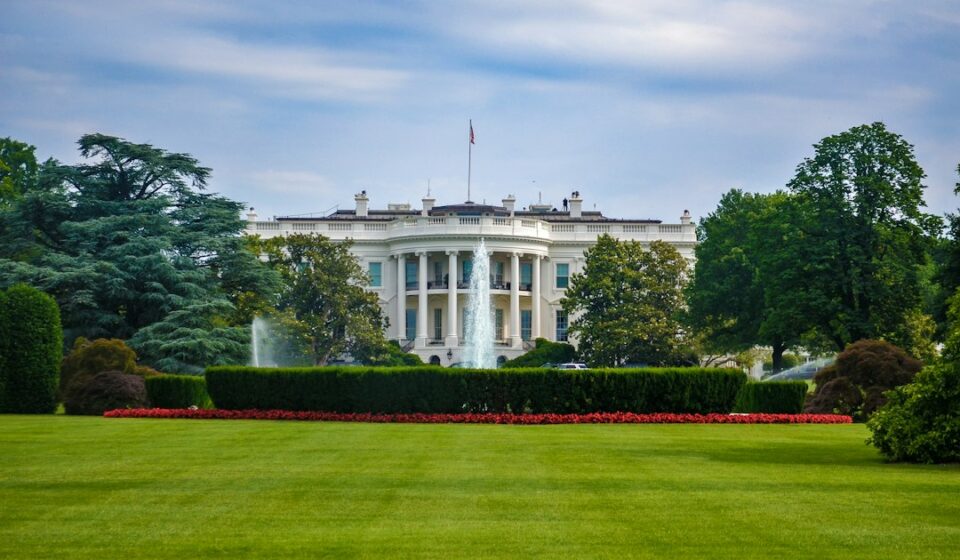
Photo by David Everett Strickler on Unsplash