
Majority of Homes Unrepaired After Faulty Government Insulation
In the wake of government-backed energy-saving initiatives, over 90% of homes receiving insulation under these schemes still await necessary repairs to correct faulty installations. This issue has been highlighted following a recent statement by Energy Minister Martin McClusky, who expressed surprise at the scale of defects discovered.
These initiatives, part of the Energy Company Obligation (ECO) projects, were intended to upgrade home energy efficiency through the installation of insulation, heat pumps, and solar panels. However, significant oversights have resulted in substandard work, leaving thousands of homes damaged and owners distressed.
Government and Regulatory Oversights
The responsibility for auditing these installations lies with Ofgem and TrustMark. Unfortunately, these audits uncovered widespread defects, with Minister McClusky acknowledging failures in oversight and pledging that affected homeowners will not bear the repair costs. Despite these assurances, work has only been completed on a fraction of the affected properties to date.
The oversight issues were starkly illustrated by the case of Ken Palfrey from Birmingham, whose home insulation led to extensive damage including mould and structural issues. For over two years, Palfrey has been engaged in a prolonged battle to have the issues addressed, highlighting the personal toll of these administrative failures.
Calls for Systemic Change
In light of this scandal, the Energy Security and Net Zero Committee, led by Labour MP Bill Esterson, is seeking detailed plans to ensure support for those impacted. Esterson emphasized the need for timely support, criticizing Ofgem for inadequacy in its regulatory functions. Meanwhile, Jonathan Bean from the advocacy group Fuel Poverty Action warns that these deficiencies could harm up to 100,000 homes if not addressed swiftly.
To prevent future occurrences, the government plans to overhaul energy-saving measures under its new Warm Homes Plan, designed to ensure the quality of installations and protect consumers.
Conclusion
This situation underscores the pressing need for rigorous oversight and accountability in government schemes. As efforts to repair the damage continue, affected homeowners look for swift resolution and assurances that such deficiencies will not reoccur. The evolving response from both governmental bodies and advocacy groups will be critical to safeguarding consumer interests moving forward.
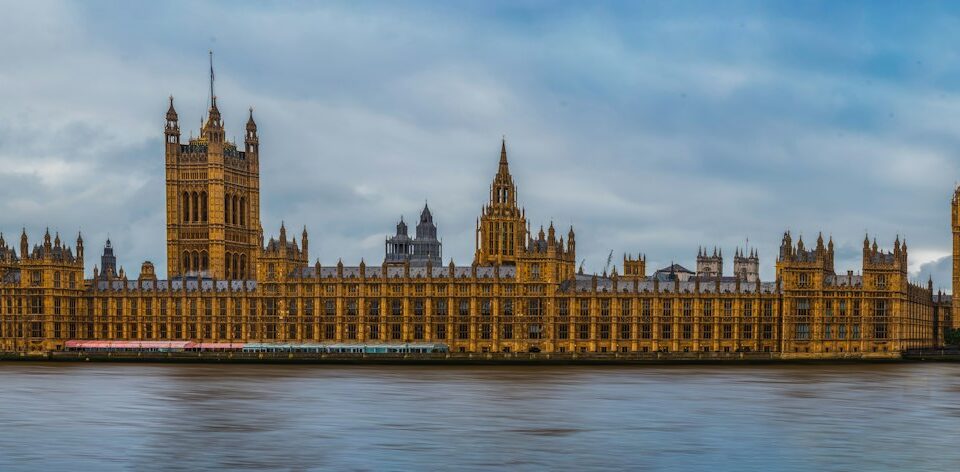
Photo by Jahanzeb Ahsan on Unsplash