
South Korea Weighs Seasonal Shift in Football Amid Rising Heat Concerns
In an effort to tackle the challenges posed by extreme summer temperatures, South Korea is contemplating a major seasonal shift for its football league. As the mercury continues to soar, the traditional football season, which runs from March to November, faces scrutiny with players and fans alike feeling the heat.
Recent surveys indicate that over 70% of coaches in the K-League support adopting a schedule akin to that of European leagues. This proposed shift is primarily driven by rising temperatures, exemplified by a record-breaking 42.5 degrees Celsius recorded in Yangsan this August, marking the hottest temperature since records began. Even Seoul experienced a streak of 17 uninterrupted nights where temperatures did not dip below 25 degrees, leading to instances of fans fainting at matches.
The rising concern is further compounded by recent data from South Korea’s meteorological agency, showing a country-wide temperature increase of 0.9 degrees between 2020 and 2024. Such findings highlight a climate crisis that is intensifying the call for adaptation within the sporting calendar.
Potential Benefits of Scheduling Shift
The South Korea Pro Footballers Association is advocating for the seasonal restructuring, believing it could enhance player welfare and improve financial aspects linked to the transfer market. Aligning the league’s timing with Europe could enhance its global competitiveness and synchronize it with the Asian Champions League, which adjusted its own schedule back in 2023. Japan recently completed a similar transition, experiencing promising initial results.
Aligning with European schedules might also permit better engagement in the global transfer market. The potential of opening the same summer transfer window as Europe could boost Korean clubs’ player trading activities, which is seen as a key strategy to showcase local talent on a more international stage.
Challenges to Consider
While a shift seems promising, it is not without challenges. A major consideration is the harsher winter climate that many South Korean teams would have to endure compared to their European counterparts. Although summers are becoming longer and more intense, winters remain a hurdle with different clubs experiencing varied climatic conditions. Adjusting the schedule would require a carefully planned mid-season break to accommodate the most severe of weather conditions.
Japanese football’s recent move to realign with Europe provides a potential roadmap for South Korea. By implementing a transitional mini-season, they managed to make a smooth changeover. As South Korea considers a similar path, the 2030 World Cup might be a pivotal point for the K-League to redefine its yearly calendar.
With climate patterns continually evolving, the push for change is both a strategic and a necessary response to ensure the sustainability and quality of football in the region.
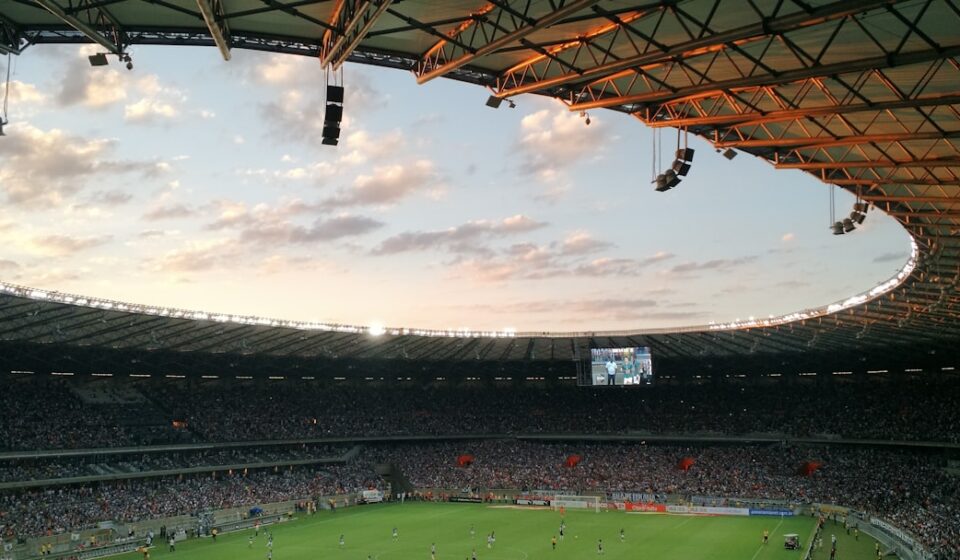
Photo by Marcos Moraes on Unsplash