
Rising Tensions at Jantar Mantar Amid SIR Row
In a bid to quell emerging protests linked to the SIR issue, security personnel have closed the entrances to Delhi’s iconic Jantar Mantar. This strategic site is often used for demonstrations due to its proximity to key government buildings. The closure indicates the authorities’ intent to prevent congregation and possible unrest. On the protest front, many have taken to the streets, voicing their concerns and demands.
Prominent Political Figures Detained in Assam
In a related crackdown, authorities in Assam have apprehended several political leaders, prominently including Gaurav Gogoi, amidst rising tensions. The detentions underscore the broader political unrest that the SIR issue is generating in various parts of India. It is part of a larger effort by local governments to maintain order and forestall any potential escalation of protests.
Public Response and Future Implications
The barricading of Jantar Mantar could potentially provoke intensified public reactions, as it limits a traditional avenue for lawful protest. Both political supporters and neutral bystanders are watching closely to see how the situation unfolds and what further measures will be implemented by authorities. The demand for transparent discourse on the SIR issue is increasingly becoming a public priority, as evidenced by the growing number of people willing to participate in civil demonstrations, despite hurdles.
Legal and Civic Perspectives
From a legal standpoint, these maneuvers highlight the complex balance between maintaining public order and respecting the right to protest. Civic rights groups may soon weigh in, questioning whether the decision to close Jantar Mantar aligns with constitutional freedoms. Such debates often lead to broader discussions about governance, civil liberties, and the roles of law enforcement during times of political strain.
In conclusion, the unfolding events at Jantar Mantar and in Assam mark a pivotal chapter of civil participation in India’s democratic evolution. As political figures and citizens alike navigate these turbulent times, the outcomes could shape future approaches to protest management and governmental transparency.
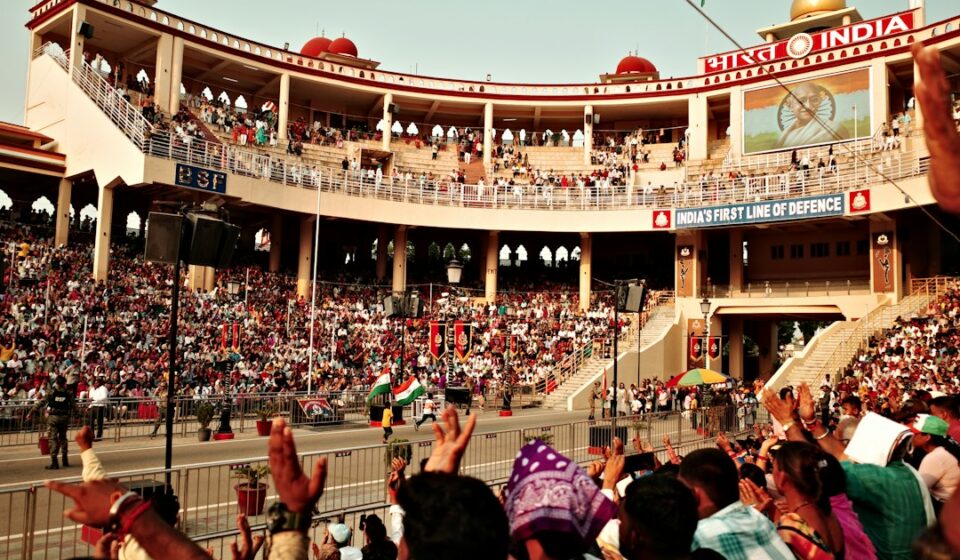
Photo by Uttara Virata on Unsplash