
IMF Recommends UK Reform Pensions and Welfare Instead of Taxing Banks
The International Monetary Fund (IMF) has advised that the UK government might achieve better fiscal balance not by imposing higher taxes on banks but by prioritizing reforms in pension and welfare systems. This guidance comes at a time when John Healey, the UK’s financial representative, is considering raising bank taxes to increase revenue.
Helge Berger, who serves as the deputy director of the IMF’s European department, has suggested alternative approaches. With the UK’s tax rate already a significant portion of the GDP, estimated around 40%, he believes tweaks in spending, especially concerning pensions and social benefits, could be more effective.
Berger’s recommendations were shared during the IMF’s annual conference held in Bangkok, highlighting the importance of careful fiscal policy adjustments in the UK. He pointed towards the possible reform of the pensions triple lock and more selective distribution of social benefits.
Concerns Over Higher Bank Taxes
Meanwhile, UK banks and their advocates have expressed worries over potential tax hikes. According to research shared by UK Finance’s CEO David Postings, increasing the bank surcharge could adversely affect bank lending and economic growth. The banking sector fears that such measures could lead to a noticeable reduction in GDP and force banks to lower lending, which might pressurize some institutions to relocate operations abroad.
In sharp contrast to the IMF’s recommendation, the Trades Union Congress (TUC) has noted significant profits by banks, which they believe justifies a heightened tax stance. Despite cuts to previous surcharges, UK’s major banks have reported substantial earnings, buoyed in large part by high interest rates and subsequent shareholder payouts.
Calls for Fair Taxation
Notable voices in the financial community, including author Philip Augar, argue that as UK banks enjoy profitable conditions, partly due to the economy and favorable interest rates rather than sheer managerial prowess, it would be reasonable to expect them to shoulder a modest increase in taxes.
Augar’s remarks emphasize the cyclical nature of banking, suggesting that in prosperous times banks should contribute more in taxes to prepare for future downturns. This philosophy promotes a balanced approach where banks are not shielded in good times just because they needed bailouts in past crises.
Furthermore, some financial leaders warn that significant tax increases could make the UK less attractive compared to cities like Frankfurt or Dublin, known for more lenient tax rules for financial enterprises.
Ultimately, the government’s challenge lies in balancing fiscal policy to ensure sustainable economic growth while considering both national and global repercussions of shifting tax burdens.
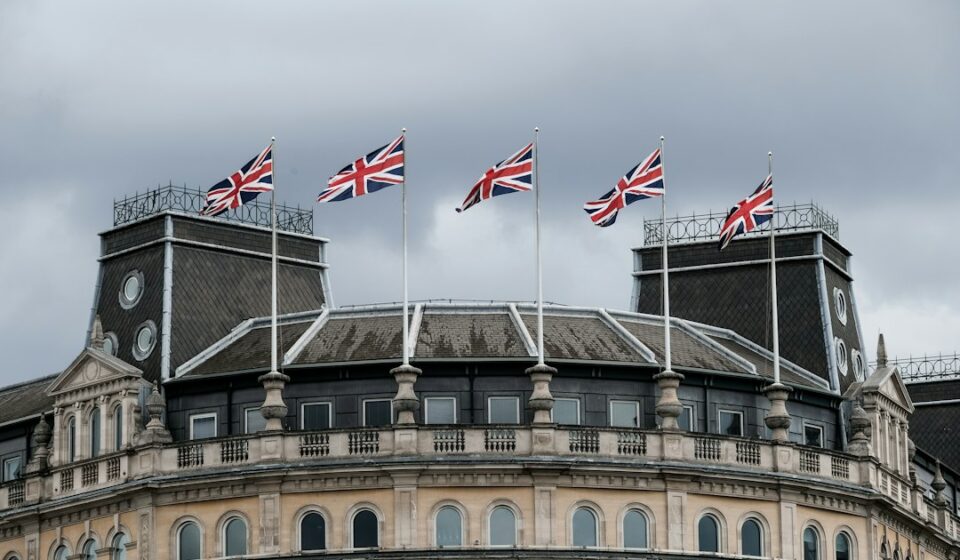
Photo by Paul Fiedler on Unsplash