
Protests Ignite Over Electoral Roll Changes
In recent weeks, India has witnessed a surge of protests following contentious changes to the electoral roll system, affecting approximately 130 million voters. The alterations, led by chief election commissioner Gyanesh Kumar, have sparked calls for his resignation. Demonstrations have become a daily occurrence, with the Cockroach Janta Party (CJP) at the forefront demanding accountability.
Delhi Under Siege
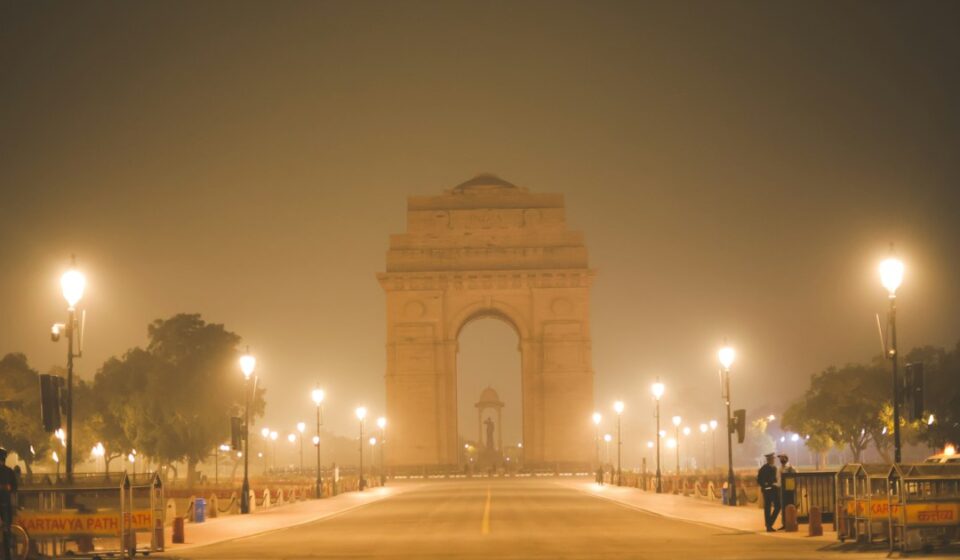
This unrest came to a head over the weekend when New Delhi transformed into a near-militarized zone. Government authorities took steps to curb the mounting protests by deploying extensive security measures. These included the cancellation of hundreds of train services, closure of metro stations, suspension of internet services, and a police presence that detained numerous activists and political figures, including leaders from the CJP.
A Nationwide Reaction
The crackdown wasn’t confined to Delhi alone. In Mumbai, notable figures like Tushar Gandhi were taken into custody to prevent further demonstrations. The situation has drawn comparisons to previous government responses seen in other tumultuous regions, notably Kashmir, where severe restrictions were commonplace.
Escalating Tensions
The ruling Bharatiya Janata Party defended their stringent measures, with spokespersons condemning opposition parties for allegedly inciting disorder. They emphasized that governance should stem from legislative processes rather than public demonstrations, a stance that has intensified the public’s discontent.
Public and Political Fallout
Political activist Yogendra Yadav, who has been actively involved in politics for decades, remarked on the unprecedented nature of the police preparation for these protests. Despite the heavy-handed police response, small-scale movements have continued to erupt around the capital.
The government’s actions have been criticized as echoing past crackdowns, with many drawing parallels to historical instances where dissent was stifled. As protests continue, the situation remains volatile, with future developments likely to further shape India’s political landscape.
Photo by abhijeet gourav on Unsplash