
Green Party’s Controversial Motion Stirs Debate
The leader of the Green Party, Zack Polanski, has confirmed he will not overturn a recent motion that describes Zionism as a form of racism. This decision comes in the wake of significant criticism from various sectors, including members of parliament and Jewish advocacy groups.
Polanski addressed the matter during an appearance on a televised program with Laura Kuenssberg, emphasizing that while he intends to seek amendments, the current policy will remain in place until 2028. This timeline is dictated by the party’s rules, where conference decisions set policy for a two-year span.
Internal and External Reactions
The motion, which was passed at the Green Party’s recent conference by a margin of 1,022 to 813 votes, has been a source of division within the party. The description of Zionism as an ideology favoring an ethnonationalist Jewish state to the detriment of non-Jewish populations in historic Palestine sparked considerable uproar.
The resulting controversy has had political ramifications for Polanski, impacting his recent campaign efforts and raising questions about his leadership. Despite criticisms and calls for procedural changes, Polanski has maintained that the decision of the party members must be respected and cannot be arbitrarily overturned by its leaders.
Future Steps and Amendments
Moving forward, Polanski indicated a desire to steer the policy in a different direction. He aims to promote a vision where both Israelis and Palestinians have a say in their futures, departing from a one-state focus. However, any amendment to the current policy will have to wait for future party conferences due to the procedural constraints.
Green MPs, including Ellie Chowns, have raised concerns about the low turnout for the vote and suggested a review of the decision-making processes. This highlights a broader dialogue within the party on participation and representation.
As it stands, the motion continues to draw the attention of other political figures and groups, including the Labour Party, which has distanced itself from Green councils endorsing the policy, and an Equality watchdog that has sought clarifications.
The unfolding situation not only challenges the internal cohesion of the Green Party but also highlights the complex interplay between politics and deeply rooted international issues.
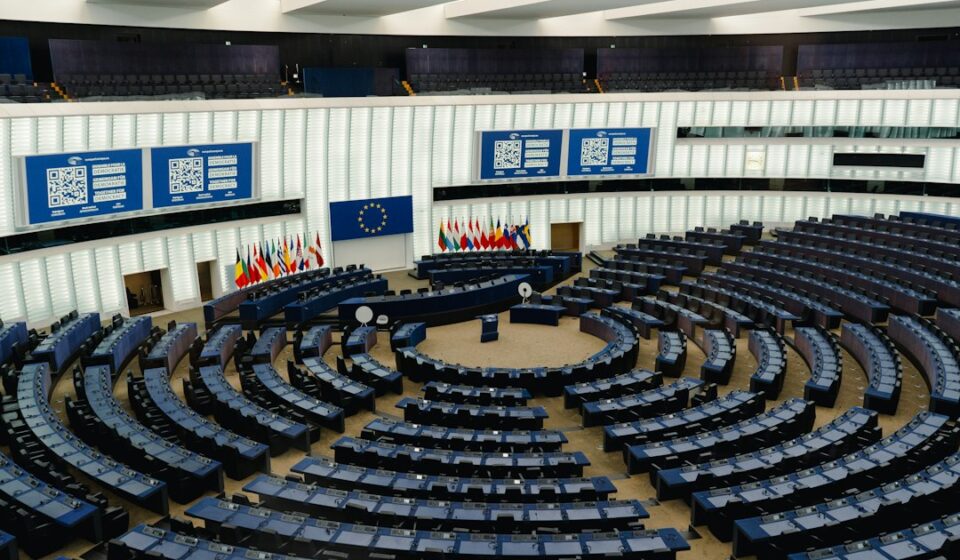
Photo by Nico Ruge on Unsplash