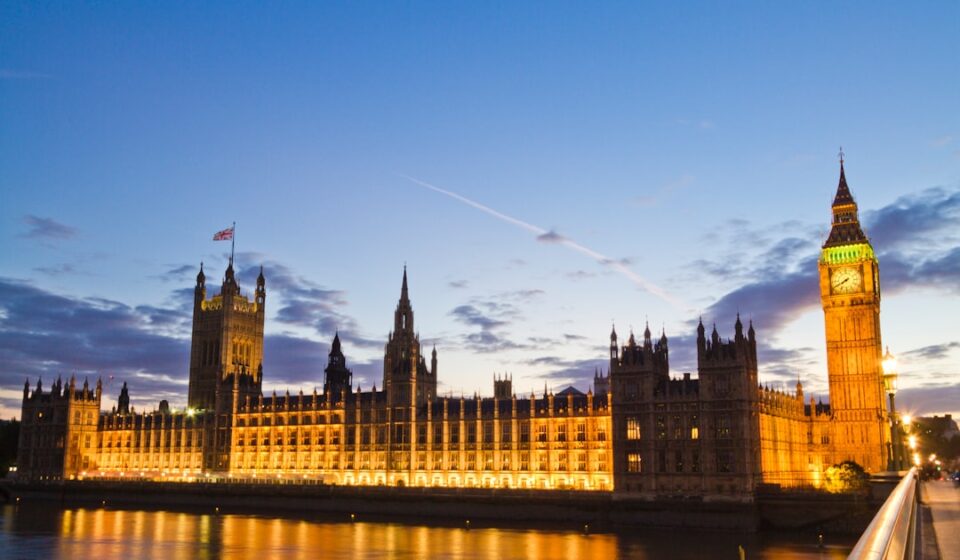

UK Labour Calls for Increased Defence Spending Amid Falklands Dispute
In a time of geopolitical tension, Labour’s defence committee chair Tan Dhesi has emphasised the critical need for the UK to enhance its military budget. Dhesi highlights comments from Argentina’s President Javier Milei regarding the Falkland Islands as a driving factor for the UK to meet a 3% GDP defence spending target by 2030.
Javier Milei’s assertive stance towards the Falklands has raised alarms, pushing Dhesi to reiterate the importance of safeguarding the islands’ self-governance. He underlined the significance of financial commitment to defence, especially after Prime Minister Andy Burnham’s earlier statements on potentially increasing military expenditure were thrown into doubt by Downing Street.
The Labour MP’s remarks come amid a week marked by international disturbances, including Germany’s recent confrontation with Russia over a drone incident and fluctuating allegiances regarding the Falklands. These developments are prompting debates over Britain’s readiness to counter potential threats and honour its defence commitments.
During a heated session of Prime Minister’s Questions, Dhesi confronted Burnham about his stance on the 2030 defence spending target. Although Burnham initially endorsed the goal, later clarifications from No 10 indicated a lack of a firm pledge, adding to the controversy. The chancellor’s reluctance to fully support the target exacerbated the uncertainty, especially since he had previously resigned over the issue.
Adding to the complexities, former US President Donald Trump hinted at reconsidering America’s stance on the Falklands, historically a neutral position favouring British control. Trump’s comments, linked to displeasure over the UK’s stance on his actions in Iran, have only added another layer to the international dynamics surrounding the islands.
Furthermore, Milei has issued threats against corporations intending to exploit oil reserves near the Falklands, suggesting repercussions for those acting without Argentinian approval. Such declarations have intensified the urgency for the UK to reassess its defence priorities.
While the UK government is aligned with a longer-term aim of achieving a 3.5% defence spending target by 2035 as per NATO commitments, immediate clarity on the 2030 objective remains unresolved. The situation underscores a pressing need to solidify UK’s defence strategy amidst evolving global challenges.
Photo by Michael D Beckwith on Unsplash